
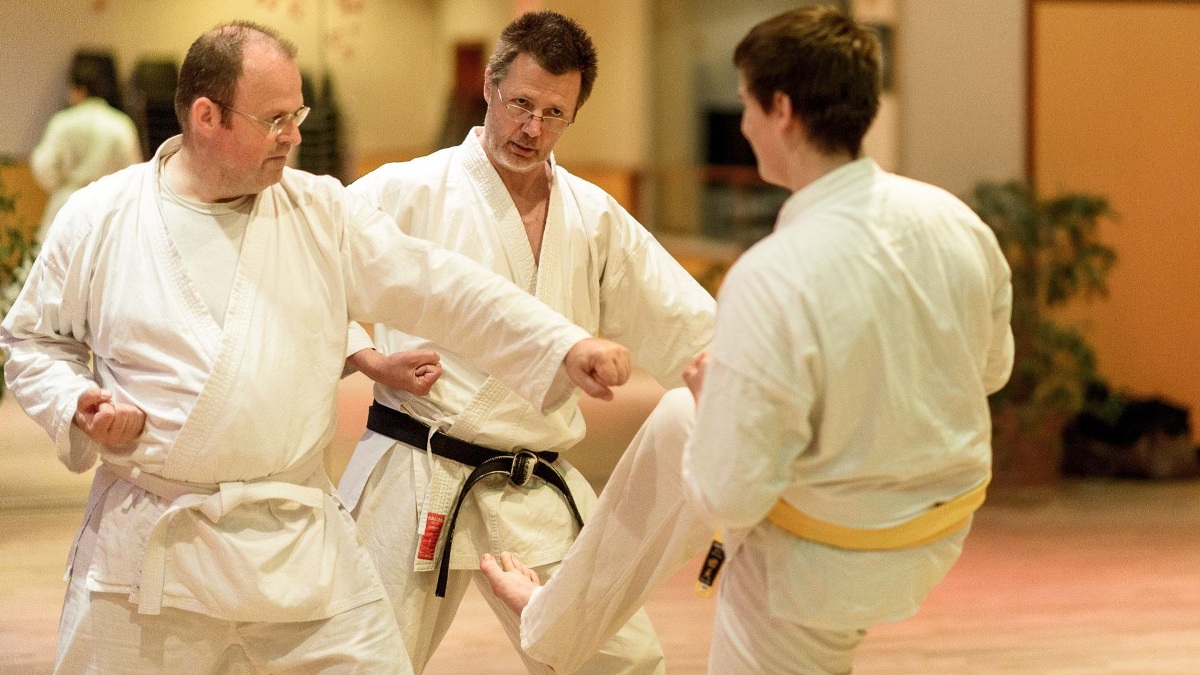
Karate appeals to many people, yet the desire to train often stays just that — a desire — because of a common belief that you have to start young. In reality, that couldn’t be further from the truth!
Karate appeals to many people, yet the desire to train often stays just that — a desire — because of a common belief that you have to start young. In reality, that couldn’t be further from the truth!
It doesn’t matter whether you’re 20, 30, or 50 — it’s never too late to start. Karate is a very long road. But you can only walk it by taking the most important first step. The key is to begin.
Starting Training as an Adult
Of course, beginning training as an adult comes with its own set of considerations.
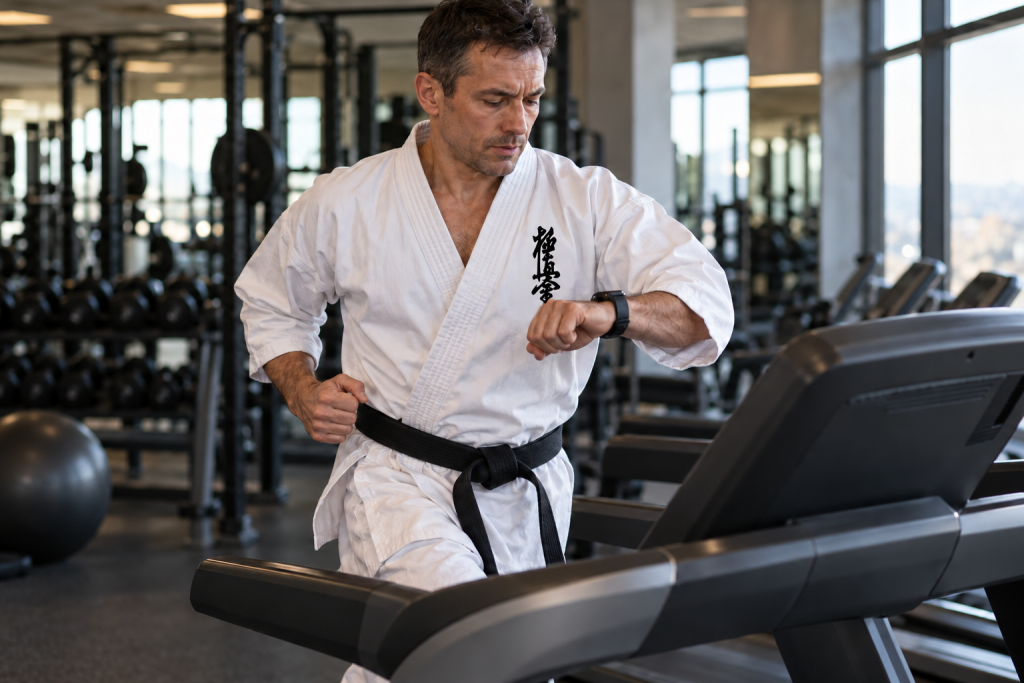
First, you will need to reassess your lifestyle, let go of bad habits, and bring some structure to your daily routine.
Second, the average adult’s physical condition leaves something to be desired, and muscles, bones, and ligaments respond differently from a child’s body — so reaching your goals will take more time. But nothing is impossible, and that is exactly what coaches are there for: to help you take your first steps, set a suitable training load, and stay by your side throughout.
Of course, over time the body will recover from training faster and faster, muscles will reach the necessary tone, and workouts will become far more productive.
The Most Common Fears
As a rule, all adults who dream of doing karate share the same concerns and worries:
Fear of being laughed at
It is extremely difficult for an adult to step outside their comfort zone and accept that they might look awkward. In most cases, though, no one at training will give you a second glance — everyone is focused on their own work. Groups are also usually formed by ability level, so you are unlikely to stand out dramatically.
Physical condition
Another source of anxiety is being far from peak physical shape. But there is nothing to worry about here either! That is precisely why you are going to train — to improve. The coach will match the training intensity to your level, your fitness will gradually improve, and before long you will notice remarkable changes for the better.
Age category
People also worry about looking out of place alongside younger athletes. In practice, this fear is largely unfounded — beginners of virtually every age can be found in gyms today. Very young children usually train in separate groups, so your presence will be nothing out of the ordinary.
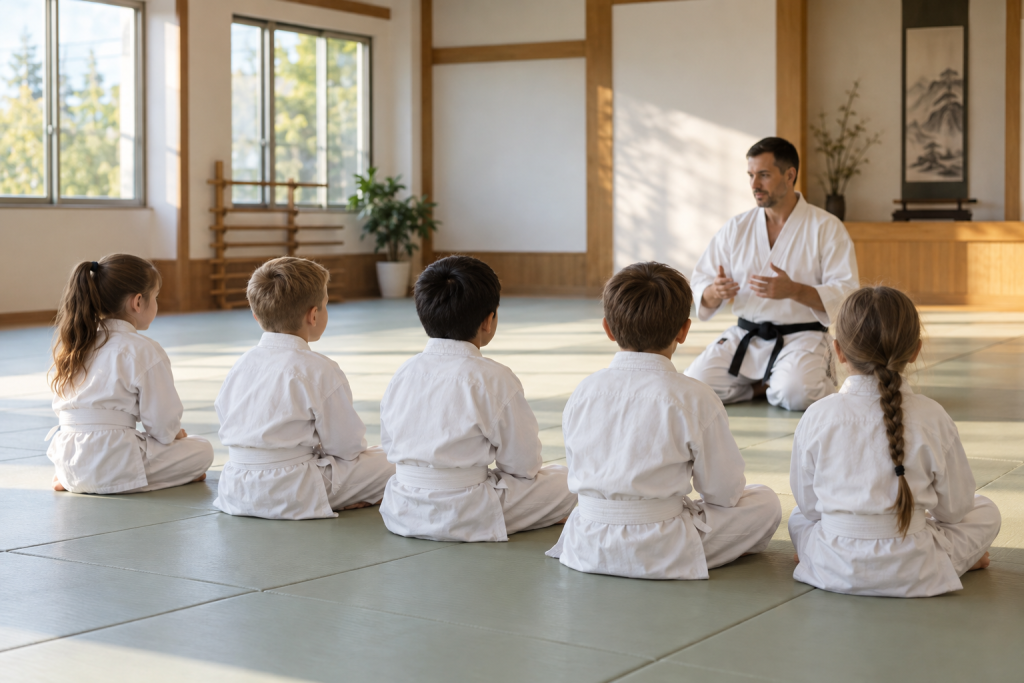
It is also worth noting that most coaches genuinely enjoy working with adults, because their commitment is a conscious choice. They came to karate not because their parents wanted them to, but because they wanted it themselves. That means maximum effort and dedication — which invariably leads to good results.
Furthermore, adult athletes often have their own competition categories — «Over 35», «Over 40», or what are commonly called «Veterans». As for belt exams, they can be taken at any age; there have been cases of athletes earning their black belts at 50, 60, and even 70.

Karate is not just a fight, not just a form of physical exercise — it is a martial art that teaches you to win, first and foremost, over yourself. And overcoming your own fears is already your first victory, and no small one at that. In doing so, you open up new possibilities and horizons that yesterday you barely dared to think about. Good enough reason to start, isn’t it? Ready to begin?

Comments (0)
Leave a comment
Comments are moderated and published after review