
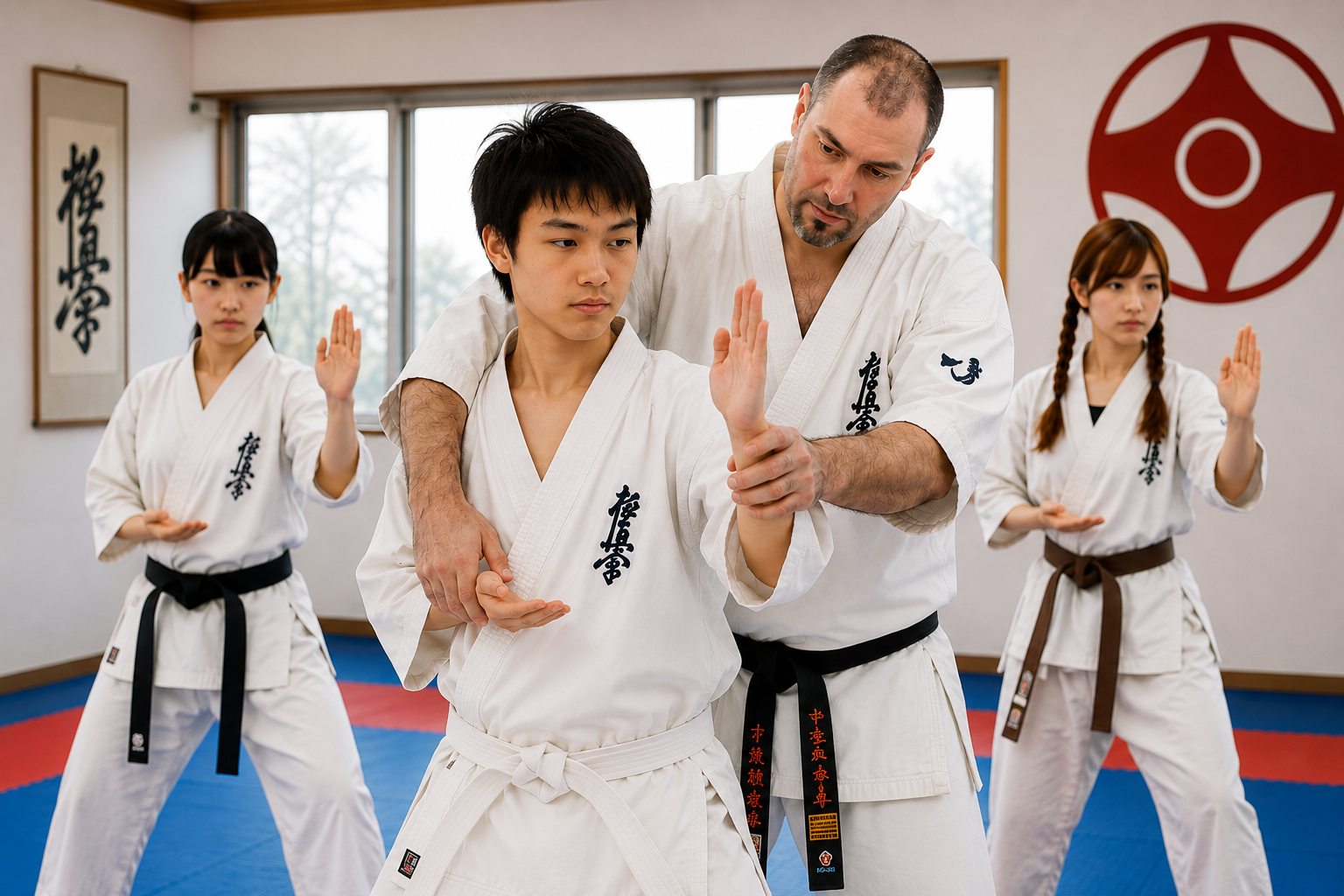
Choosing a coach plays a huge role in how successful your Kyokushin training will be. The instructor influences not only the quality of technique but also the atmosphere in the dojo, student motivation, and training safety.
When choosing a coach, pay attention to their experience, qualifications, sports education, and accreditation with one of the Kyokushin karate organizations in Russia. A good instructor does not always have high-level competitive achievements or a high dan, but these are definite positives.
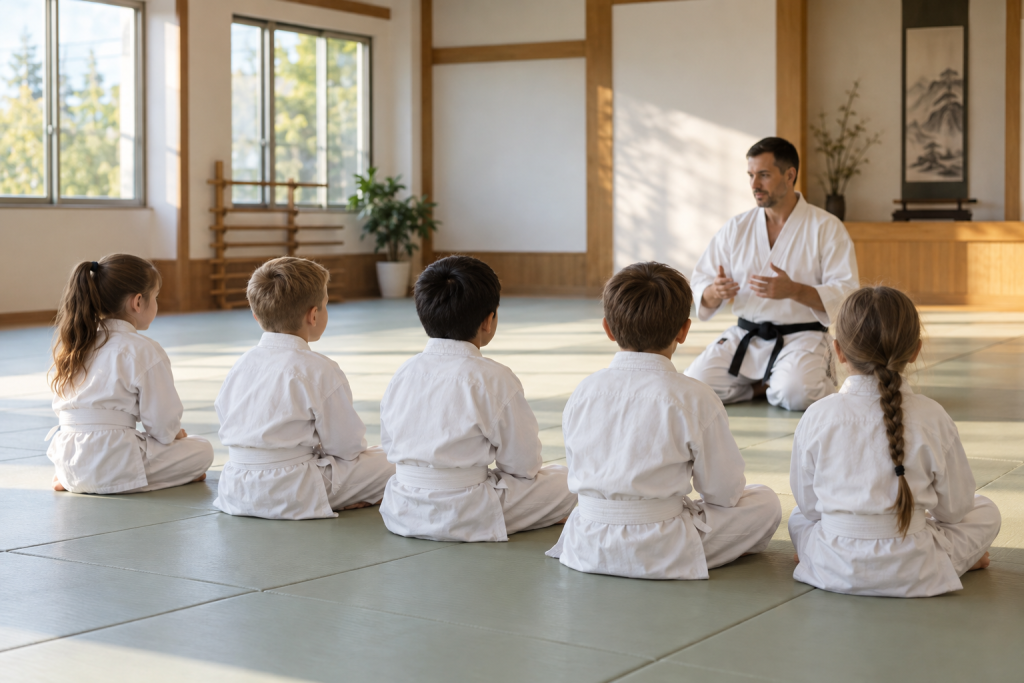
It is also important to observe how the coach communicates with the group and connects with students. A true professional maintains discipline without harshness and creates a respectful training environment.
The instructor should be able to explain technique clearly, progressively increase training loads, and monitor student safety.
It is worth attending a trial class to see how comfortable the student feels in the group. A good coach helps students develop and sustains their interest in training over many years.
Ask for feedback from other parents whose children have been training for a significant period of time.
Be sure to ask your child what they do at training and what the coach does — it happens that an instructor, often a young one, spends half the class on their phone.
I also recommend paying attention to the instructor’s motivation. If they are focused solely on collecting fees rather than developing technique and instilling Kyokushin philosophy, it is better to look for someone else. Key warning signs include:
- the instructor does not assess individual athlete progress when recommending tournament participation, but instead mass-asks parents who wants to compete at an upcoming event (a parent cannot know whether their child is ready or not);
- the instructor participates in a very large number of tournaments beyond their organization’s calendar (partner tournaments are fine, but not everything that comes along);
- the instructor constantly organizes unclear fundraising collections;
- the instructor sends students to belt gradings at other organizations (check your child’s belt certificate — it should belong to the organization your instructor is affiliated with; look at several certificates — they should not show different issuing organizations);
- the child does not know the technique required for the next belt, yet the instructor still sends them to grading camps (this is hard for a parent to assess, but you can look up the grading requirements for the next belt and ask your child to demonstrate what is required — if the child says they don’t know, that is a serious red flag).

Comments (0)
Leave a comment
Comments are moderated and published after review