
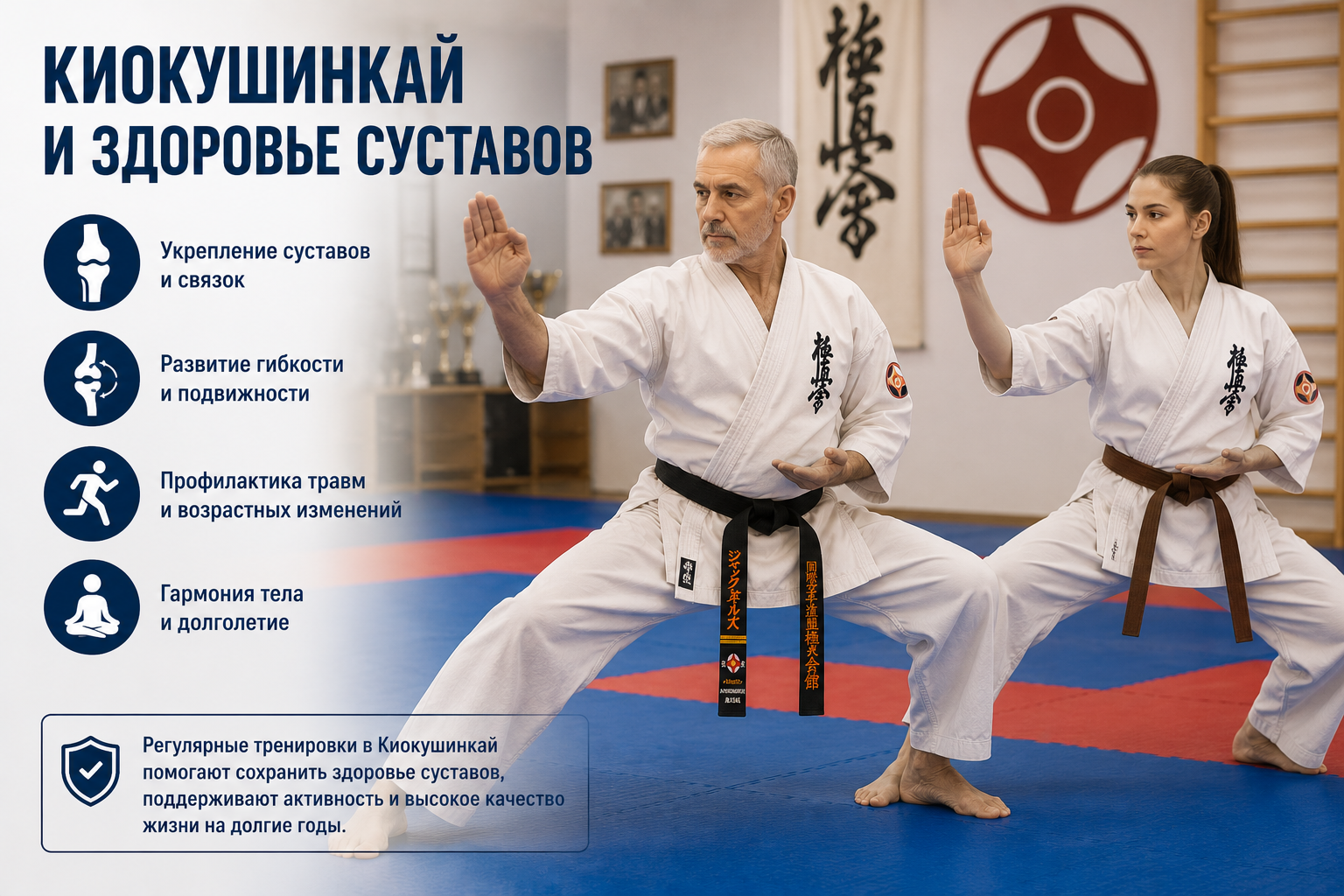
Does kyokushin damage joints? Honest answer: controlled training strengthens them, while reckless training wears them down. The same session can both protect a joint and destroy it — everything depends on how you train. Let’s look at this from a sports medicine perspective: where the risk lies and how to keep your joints healthy for years to come.
What takes the most load
The main risk zone in karate is the knees: pivots, kicks, and low stances place heavy stress on them. Research shows that most karateka have experienced knee problems at least once — from ligament sprains to meniscus and cartilage damage. The hips, ankles, wrist joints, lower back, and shoulders also bear significant load.
How training strengthens joints
Well-structured sessions are actually beneficial for joints. Strong muscles around a joint stabilize it and absorb part of the impact; bones become denser (Wolff’s law); mobility improves. A trained joint is more resistant to stress than the joint of someone who doesn’t move. In other words, smart karate is protection — not a death sentence.
Where joints get destroyed
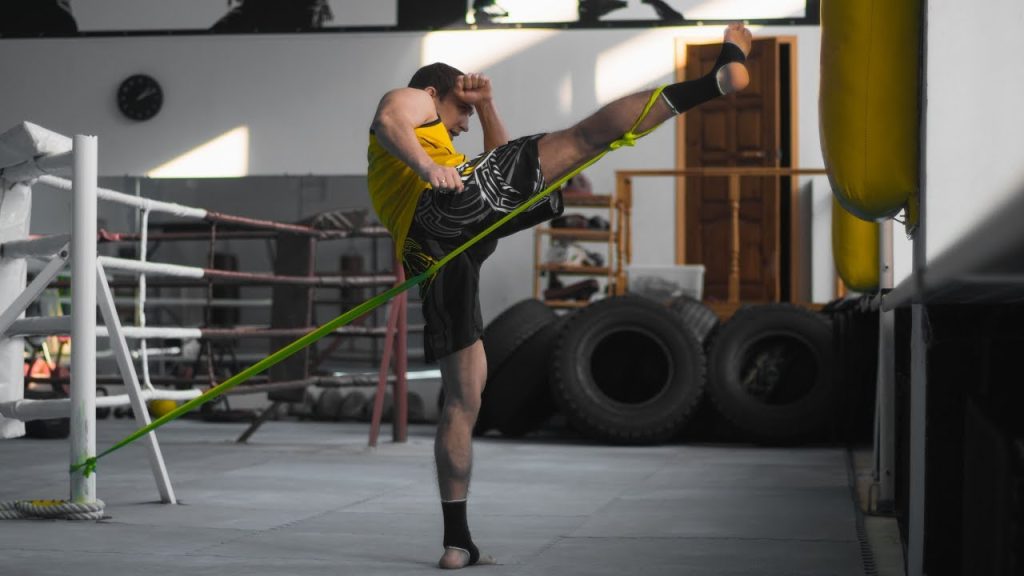
- Wrong kick technique: if you don’t rotate the pivot foot on a mawashi, the knee twists — a direct path to ligament and meniscus injuries.
- Hyperextension of the knee on the follow-through when the kick doesn’t reach its target.
- Hard stances with poor joint alignment.
- Overload without recovery: cartilage heals poorly, and constant microtrauma accumulates.
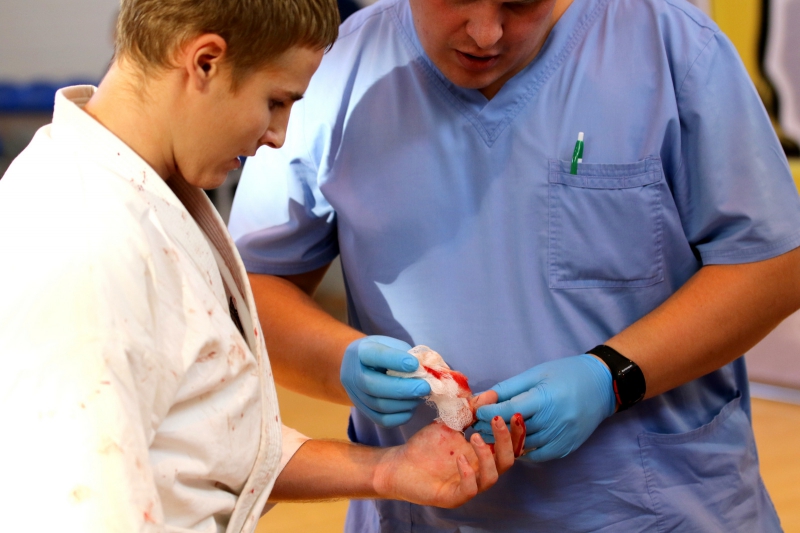
- Aggressive knuckle conditioning leads to arthritis in the finger joints.
The main rule for the knee
Rotate your pivot foot toward the kick so that the knee and toes point in the same direction — this is the single most important habit for protecting your knees in karate. Additionally: a strong hamstring protects the anterior cruciate ligament, so train not just the quads.
How to protect your joints
- Always warm up and mobilize your joints before training.
- Technique over power — clean movement loads the joint correctly.
- Strengthen stabilizer muscles: hamstrings, glutes, calves.
- Allow recovery days and manage conditioning volume sensibly.
- As you age, reduce impact load without abandoning training.
Joint pain is not the same as muscle pain
Knowing the difference matters. Muscle soreness is diffuse, appears the next day, and clears up in a couple of days — that’s normal. Joint pain is sharp, localized, accompanied by swelling, clicking, or a feeling of instability — that’s a warning sign. With joint pain, reduce load and see a doctor if needed. Cartilage does not regenerate, so protect it now rather than waiting until it hurts constantly.
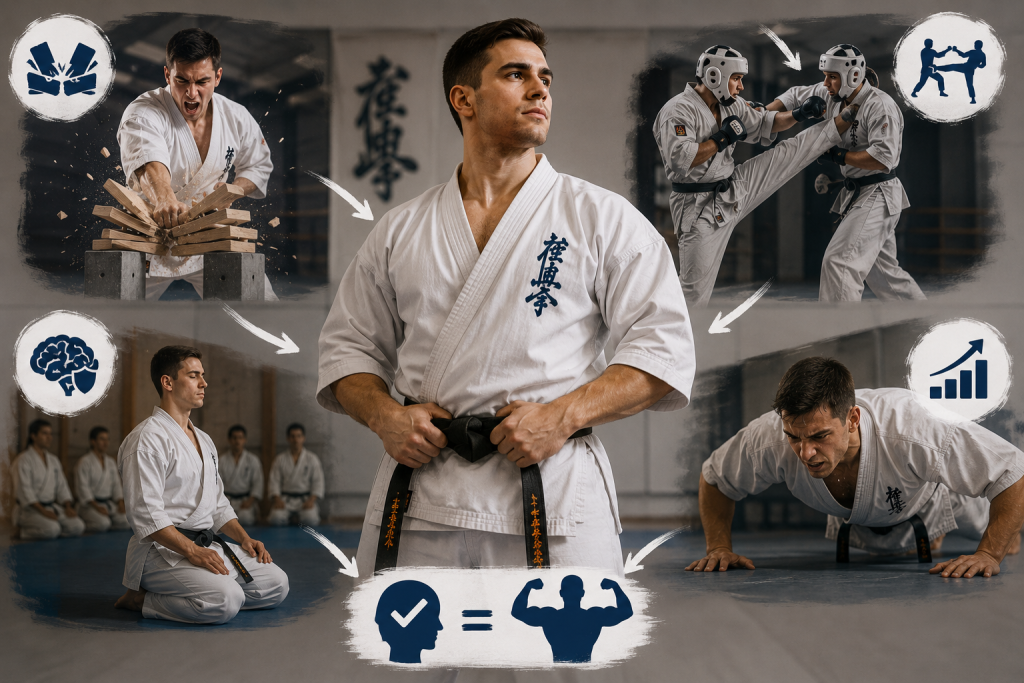
Bottom line: kyokushin can benefit your joints for decades — if your technique is clean, the load is progressive, and you respect joint pain. Train with ego and a «push through it» attitude and those same sessions will grind your joints down. The choice is yours.

Comments (0)
Leave a comment
Comments are moderated and published after review