
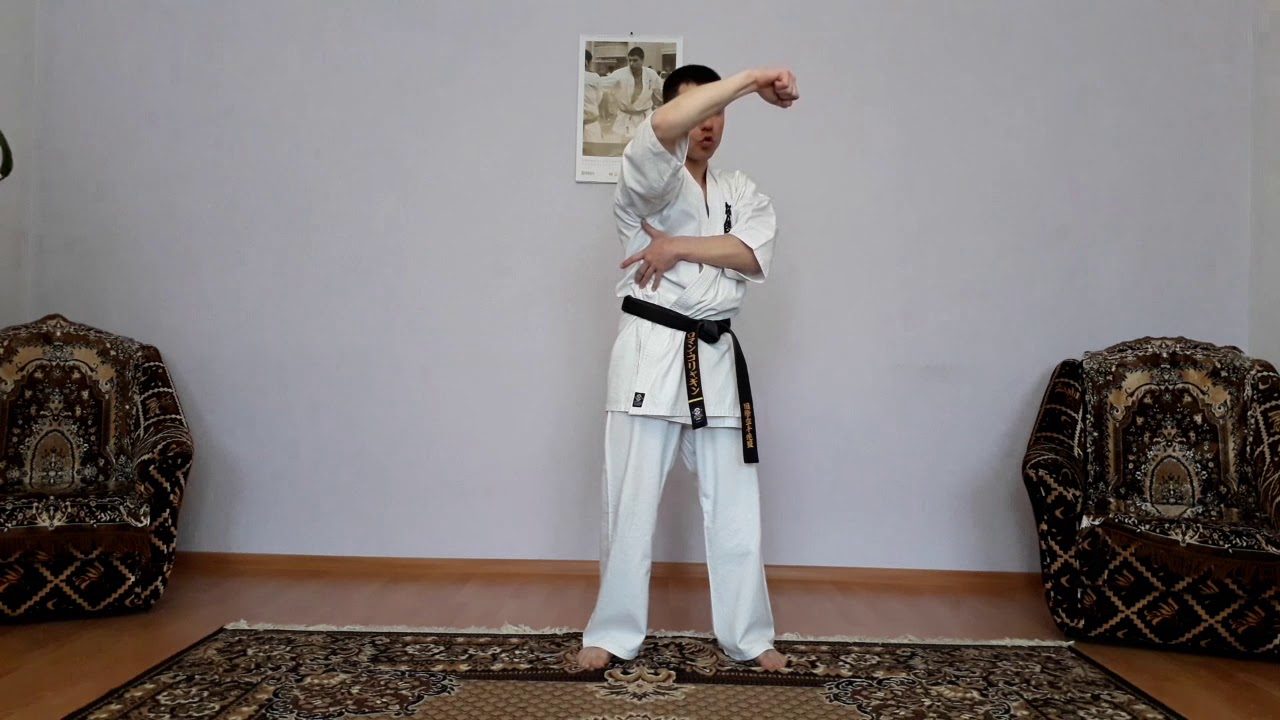
Home training is a great supplement to dojo sessions. It helps maintain physical fitness, refine technique, and progress faster between regular classes with a coach.
What You Can Practice at Home
At home you can work on basic punches and kicks, train stances, build endurance, and stretch. Push-ups, squats, core work, and shadowboxing with technical focus are especially useful. Kata — formal movement sequences — are ideal for solo practice.
Discipline and Consistency
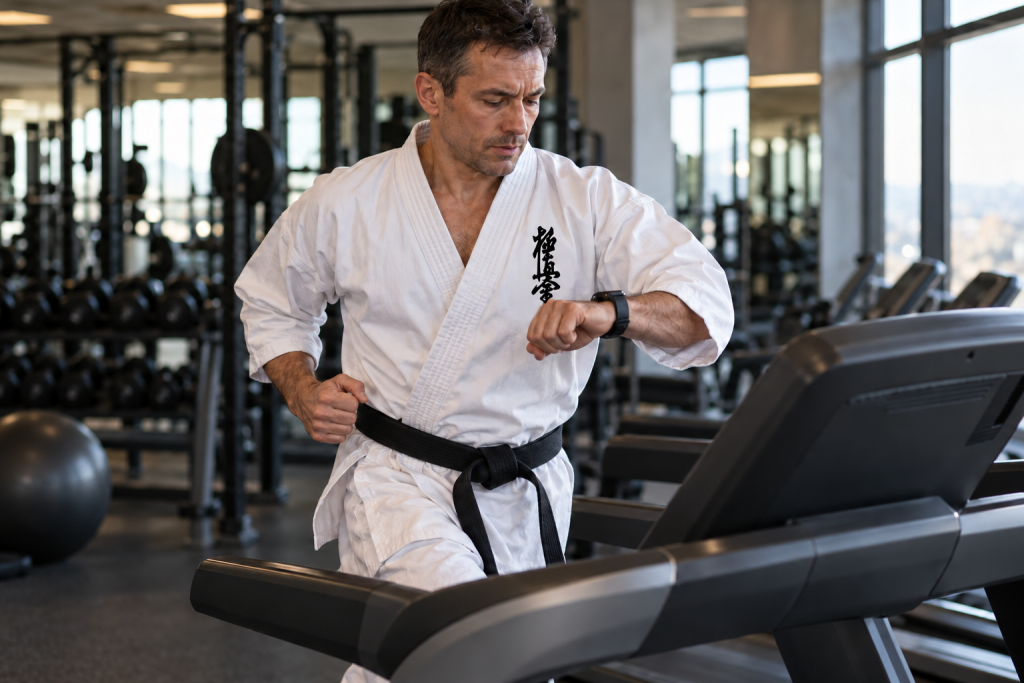
One of the main benefits of home training is building discipline. Solo sessions demand willpower and regularity. Even short daily workouts can significantly improve an athlete’s physical conditioning.
Limitations
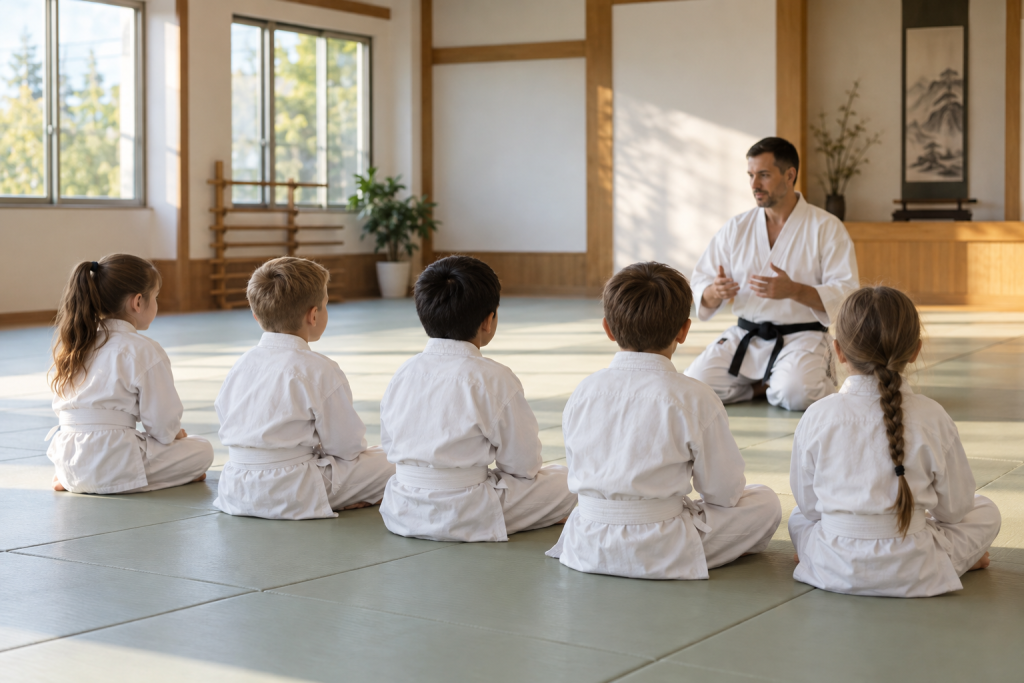
It is important to understand that training at home cannot fully replace dojo sessions. Without a coach it is difficult to correct technical errors, and the lack of sparring limits the development of fighting skills. That is why home training is best used as a supplementary tool rather than a primary one.
To get the most out of it, it helps to create a clear schedule. For example, dedicate one day to striking technique, the next to physical conditioning, and a third to stretching and coordination. This approach maintains a balance across different aspects of training.

Comments (0)
Leave a comment
Comments are moderated and published after review