
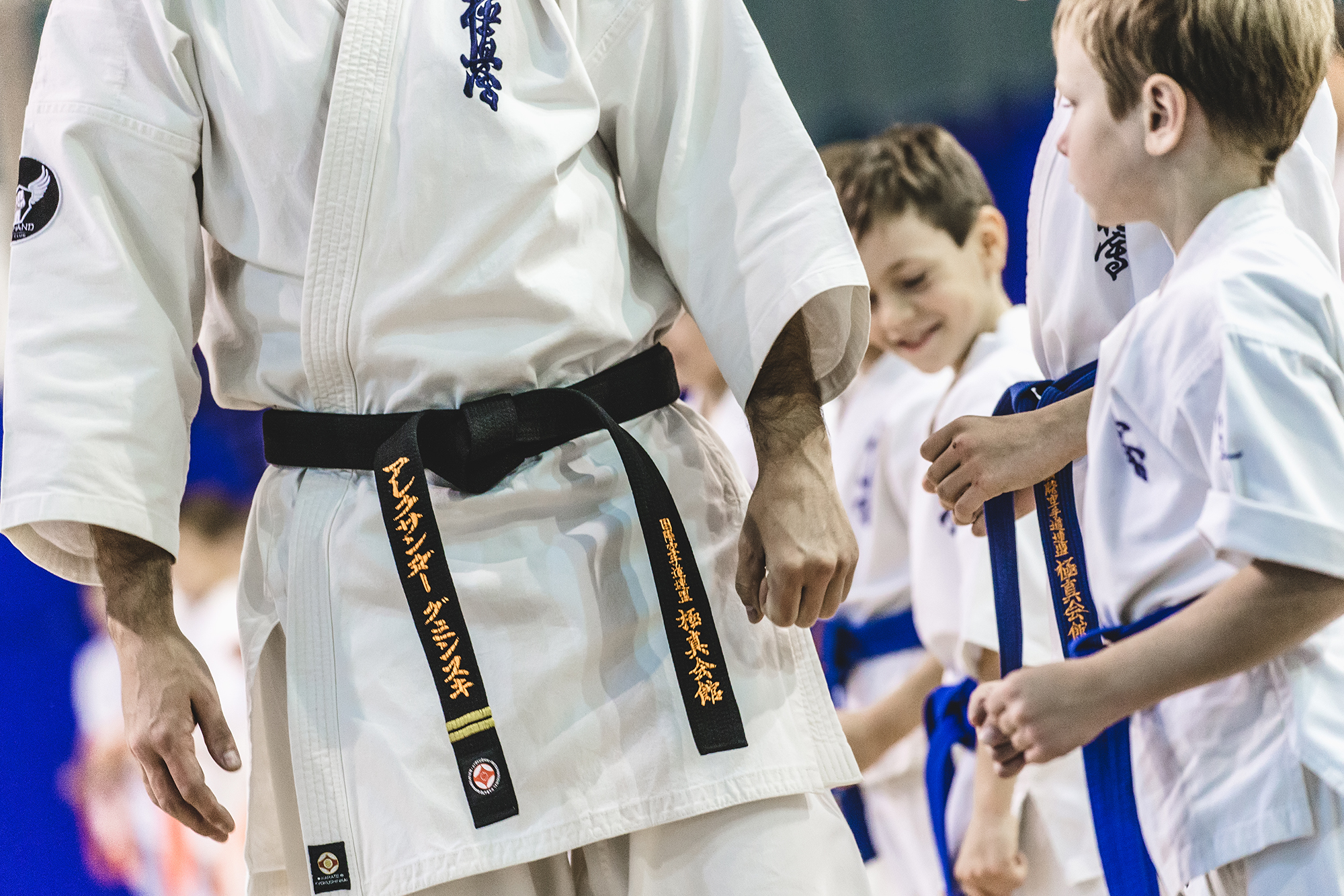
Those just getting started in karate — or thinking about enrolling their child in a club — will naturally have many questions: how to choose a club, how to prepare for the first sessions, and where karate actually begins. That is exactly what we will cover here.
Those just getting started in karate — or thinking about enrolling their child in a club — will naturally have many questions: how to choose a club, how to prepare for the first sessions, and where karate actually begins. That is exactly what we will cover here.
Where Does Karate Begin?
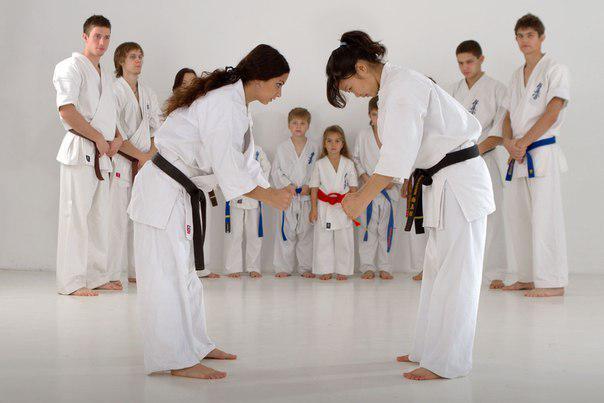
Karate begins above all with respect. Respect for yourself and your opponent, respect for your teacher, for the dojo, and for karate itself as a form of art. The Japanese say for good reason that every bout must begin with a bow and end with one. That bow is not merely a nod to tradition — it captures the very essence of this martial art. If a person does not grasp this, they will never become a true master; they may develop physically, but spiritual growth will remain out of reach.
The Home of Karate
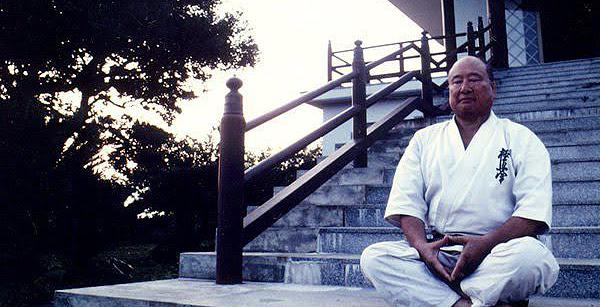
Japan is the birthplace of karate, and for centuries it has preserved the traditions of teaching this martial art, passing them carefully from generation to generation. The dojo — the training hall — is a sacred place where fighters discover the secrets of the art and train not only the body but also the spirit.
According to an ancient legend, the spirits of the greatest masters dwell in the dojo and help guide the development of today’s students. That is why respecting the hall where you train is so important.
In Japan, learning karate — along with other martial arts — is a mandatory part of school and university education. Japan is renowned for its network of university clubs, which produce a large number of promising masters. This network replaced the medieval system of clan martial arts schools. Fortunately, the feudal wars between samurai are long gone, so university clubs now serve as an excellent forum for the exchange of experience.
Karate in Russia
In Russia, of course, the education system offers nothing beyond physical education classes. This means you are free to train wherever you choose. On one hand, that is an advantage — the freedom to pick your location, coach, and style of karate opens up real opportunities for development.
On the other hand, finding a truly good coach among the vast number of clubs and academies is not easy. Unfortunately, Russia has more than its share of self-proclaimed senseis for whom a karate club is nothing more than a business venture.
Another category of karate classes can be found at fitness centres. In those settings, karate is just another trendy discipline alongside yoga, dance, and aerobics. That kind of physical activity is certainly better than nothing — but it has little in common with a real martial art.
For Kyokushin karate, it is best to train at clubs that are members of the oldest and most established organizations in the world, such as:
- IKO Matsui
- WKO Shinkyokushin
- IFK
- IFKK Royama
- IKO Matsushima
- So-kyokushin
- Kyokushin Union (Rengokai)
Set Your Goals
You need a clear understanding of what you want and why you are taking up karate. If you simply want to stay in shape, any decent club or sports centre with a karate programme will do.
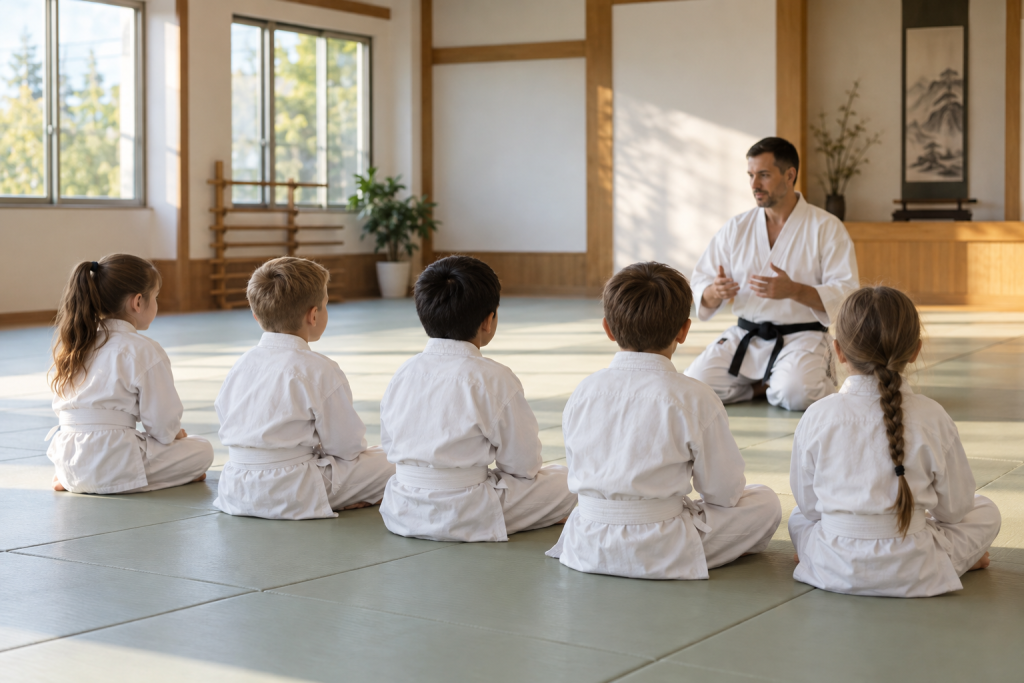
If karate interests you as a spiritual practice, finding a coach who can also serve as a mentor — including a spiritual one — is essential. When it comes to children, the choice of coach and club deserves even more careful thought, since the instructor must not only master karate but also be an excellent educator.

Comments (0)
Leave a comment
Comments are moderated and published after review