

All Kyokushin karate stances: ready stances, movement stances, and fighting stance. Foot placement diagrams and video.
All Kyokushin Karate Stances
1. Ready and attention stances:
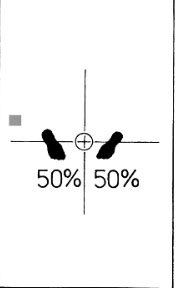
Yoi dachi — feet parallel to each other, weight 50/50

Fudo dachi — heels shoulder-width apart, toes turned out, weight 50/50
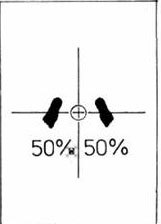
Heiko dachi — feet parallel, one foot-width apart, weight 50/50
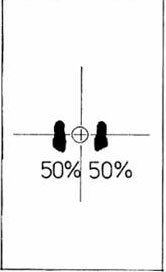
Heisoku dachi — feet together, weight 50/50
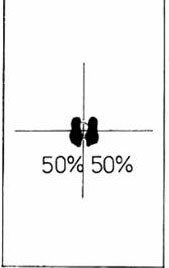
Musubi dachi — heels together, toes turned out 90 degrees, weight 50/50
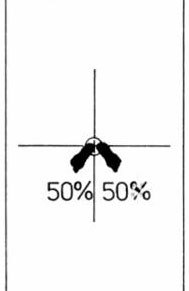
Uchi hachi ji dachi — «pigeon» stance (heels wider than shoulders, toes pointing inward), weight 50/50
2. Primary movement stances:
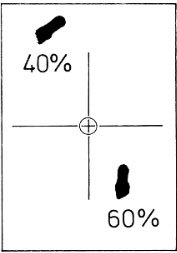
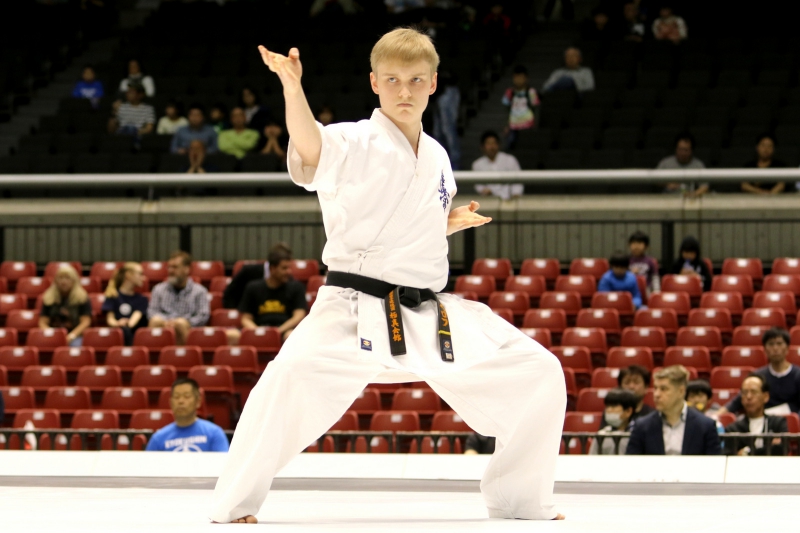
Zenkutsu dachi — front stance, weight distribution: 60% on the front leg, 40% on the back.
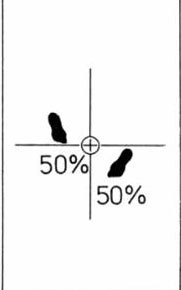
Sanchin dachi — «fortress» or «hourglass» stance, weight 50/50
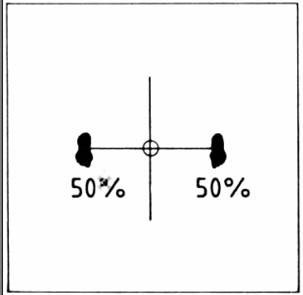
Kiba dachi — horse stance, feet parallel; Shiko dachi — sumo stance, feet at 45 degrees, weight 50/50
3. Transitional stances:
Kokutsu dachi — back leg bent at the knee, rear foot at 45 degrees, front foot pointing straight on the ball of the foot, weight 70% on the back leg, 30% on the front
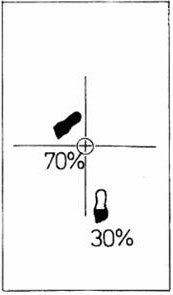
Nekoashi dachi — «cat» stance, similar to kokutsu dachi but considerably shorter, weight 90% on the back leg, 10% on the front
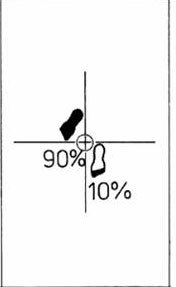
Tsuruashi dachi — «crane» stance, standing on one leg, weight 100% on the supporting leg

Kake ashi dachi — «twisted» stance with one leg crossed behind or in front of the other, weight 90% on the front leg, 10% on the back
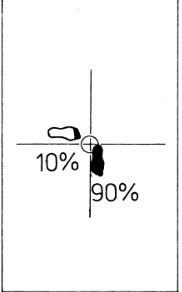
Moro ashi dachi — feet parallel, shoulder-width apart, one foot advanced by one foot-length, weight 50/50
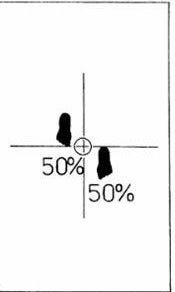
4. Fighting stance:
Kamaete dachi (kamae dachi) or kumite dachi — the standard fighting stance, weight 50/50

Добрый день всем каратистам и картисткам. Возник справедливый вопрос. Правда ли что стойка санчин-дачи предназначена для защиты мошенки (яйцы) от удара в пах. Спасибо большое. Начинающий каратист Махмуд