
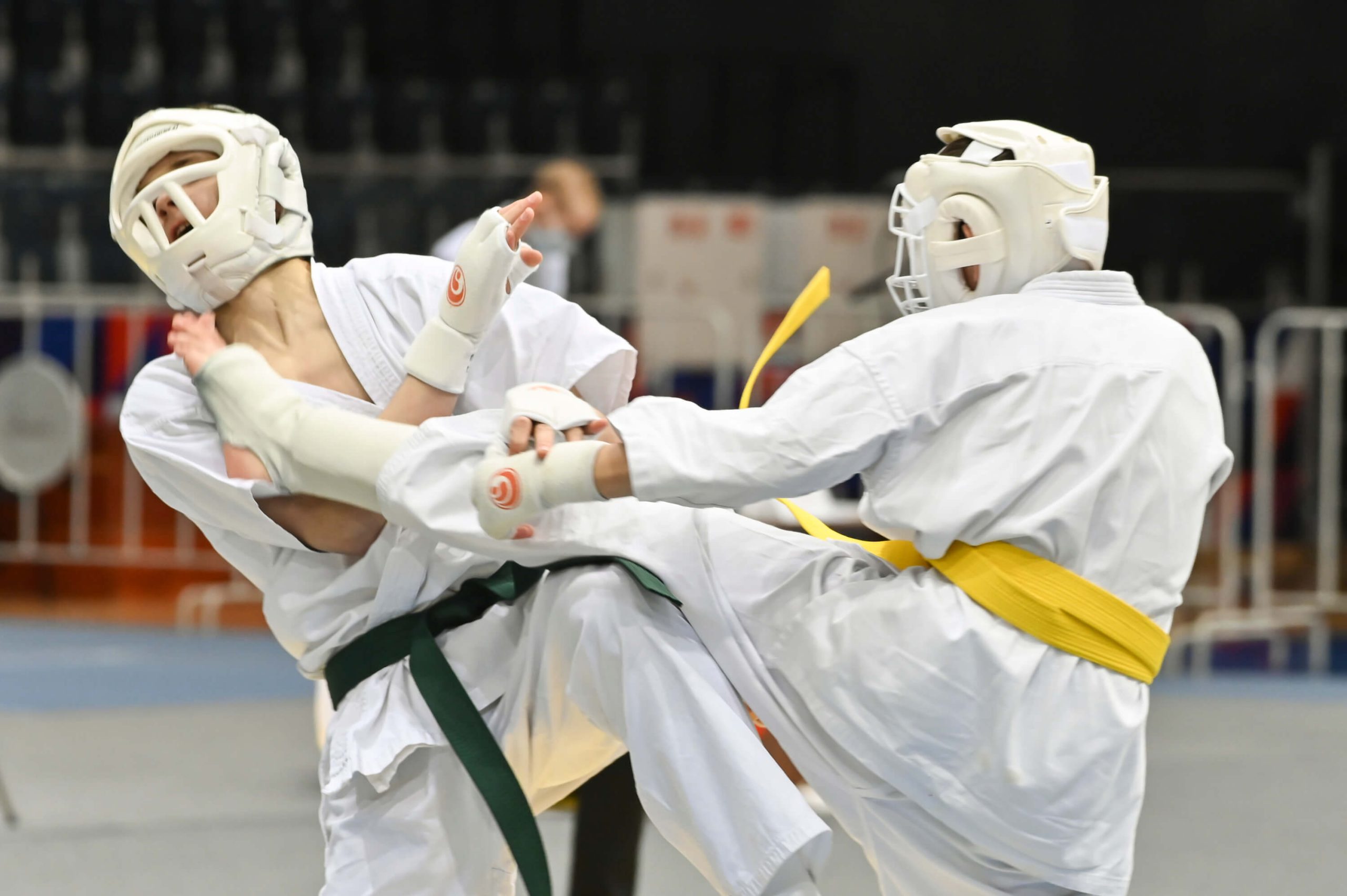
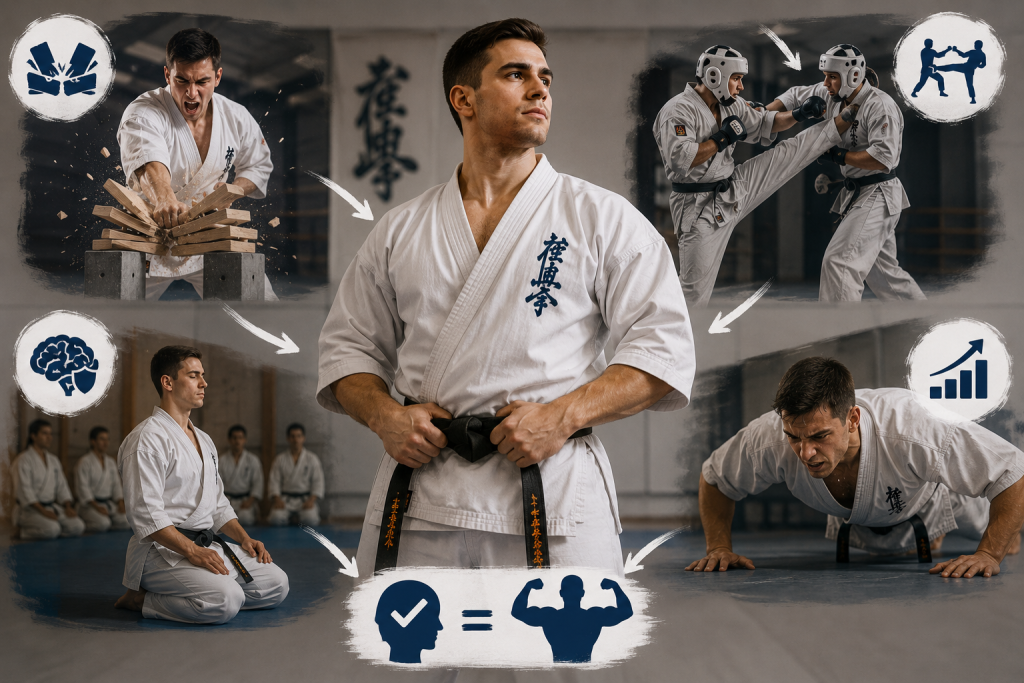
There is a common myth: any sport builds character. Research is more nuanced — character does not emerge automatically from the fact of training. It only develops under specific conditions. Kyokushin is valuable not because it «toughens» you by itself, but because its structure creates near-ideal conditions for that development. Let’s break down which conditions those are — and where things can go wrong.
When Sport Really Does Build Character
Sports psychology links character development to the climate in the gym:
- Mastery climate — success is measured by personal progress and effort. Produces self-control, respect, and the ability to make honest decisions.
- Win-at-all-costs climate — success is measured by whether you beat others. Associated with aggression and «moral disengagement,» where rules are broken for results.
In other words, the same sport can produce either a mature person or the opposite — everything depends on what the coach rewards. A supportive mentor works in favor of character; a pressuring, dismissive one works against it.
Why Kyokushin Is Structurally a Mastery Climate
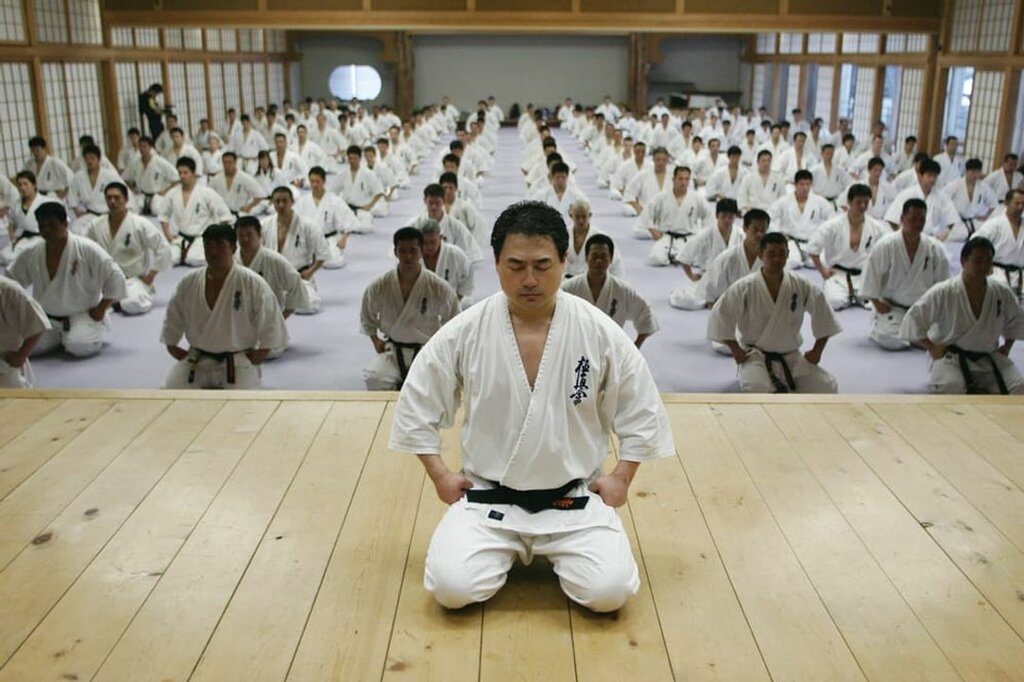
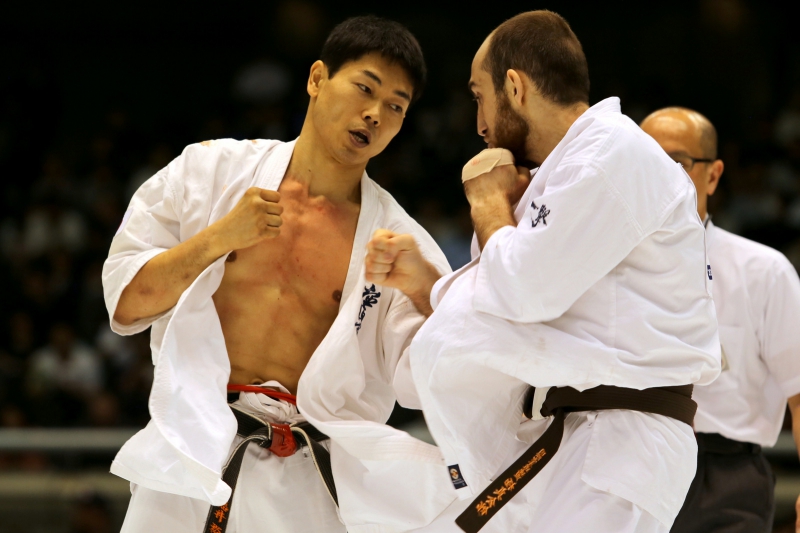
In kyokushin, developing character is not a side effect — it is a direct goal, written into the Dojo Kun, the oath recited in the gym. It speaks of strength of spirit, self-restraint, courtesy, respect, and humility. That is essentially a ready-made development program. The main benchmark is not «beating your neighbor» but your own path: the Japanese proverb «three years on a stone» is about results coming from perseverance, not comparison. A belt marks your personal progress, not your ranking.
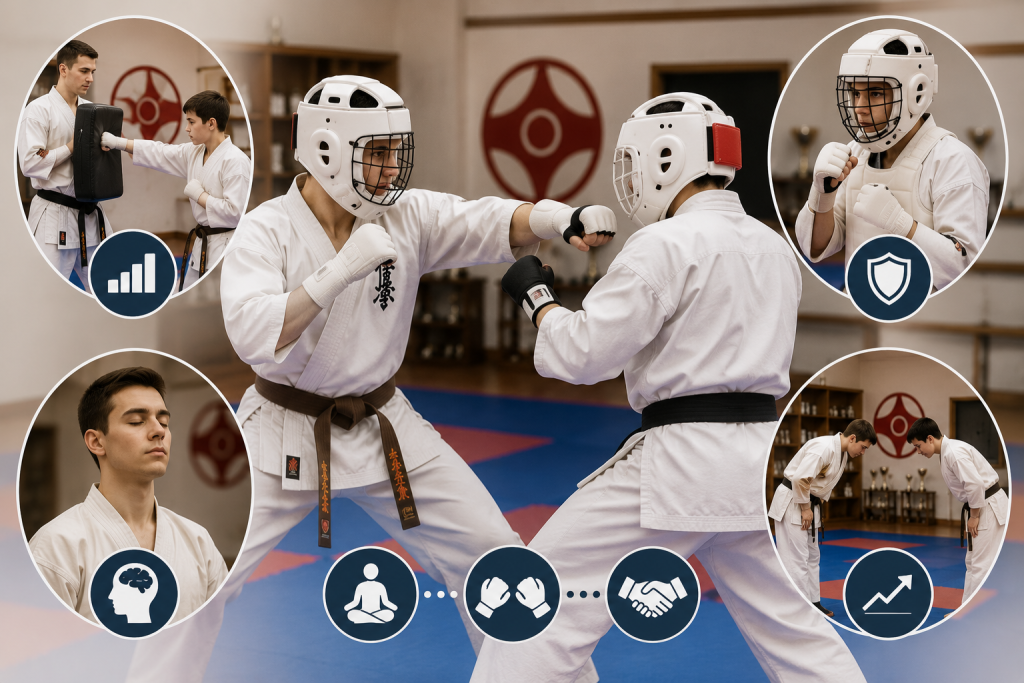
Which Traits Are Trained and How
- Self-control. The rule that «fear, anger, and self-doubt stay outside the mat» trains emotional regulation under pressure. Full contact leaves no choice: either you keep yourself in check, or you lose.
- Perseverance. The spirit of «Osu» — to keep going when pressed down. Repeated every training session until it becomes a character trait.
- Respect for the opponent. After taking a strong hit, the accepted response is «Osu» — acknowledging the partner’s skill. Combat psychology confirms it: the stronger fighter is the one who sees the opponent as a partner, not an object of fear or hatred.
- Honesty with yourself. Full contact can’t be fooled or covered with pretty words. It sobers you up and removes self-deception.
Where the System Breaks Down
The same tools in the wrong hands produce the opposite result. If the gym cultivates a culture of strength, humiliation of the weak, and «winning above all,» kyokushin will breed aggression and the habit of justifying harshness — not character. So look not at the toughness of training, but at the atmosphere: are beginners respected, is the meaning explained, is personal progress encouraged? A good gym is visible in how it treats the weakest person in the room, not the champion.
The takeaway: kyokushin does not «make character» automatically — it creates a rare environment where character can be built. What matters is the combination of the style’s structure and who leads the gym and how.

Comments (0)
Leave a comment
Comments are moderated and published after review