
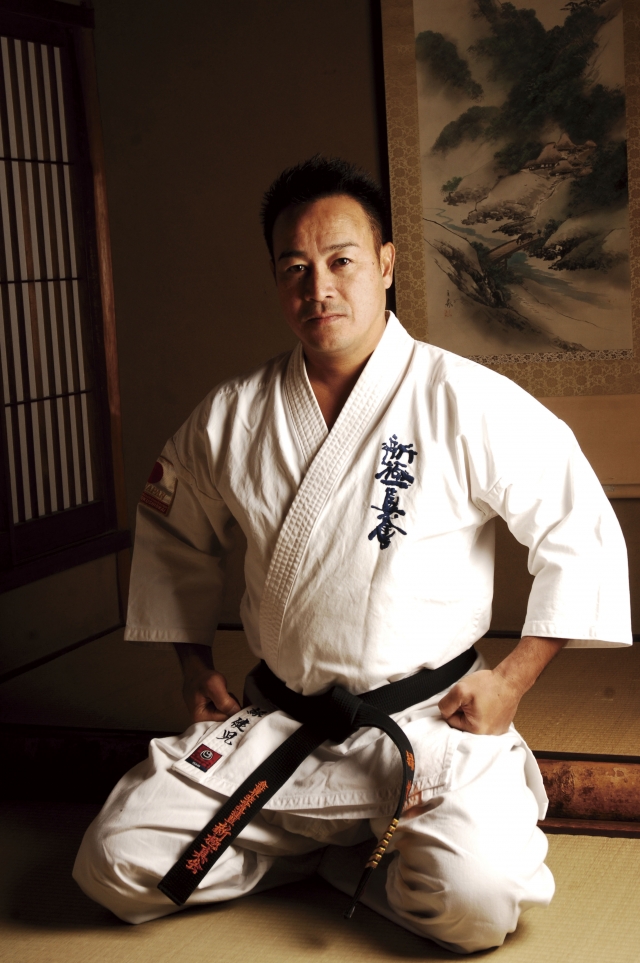
Kenji Midori — world champion and one of the key figures in modern Kyokushin
Biography
Kenji Midori is one of the most well-known figures in the history of world Kyokushin. He became famous not only as the strongest fighter of his era, but also as someone who played an enormous role in the development of international karate after the death of Masutatsu Oyama.
Kenji Midori was born on April 18, 1962 in Japan. The master’s real name is Yoshikazu Midori. He began training in karate as a youth and quickly showed outstanding talent. Unlike many heavy Kyokushin fighters, Midori was not imposing in size, but compensated with speed, technique, and extraordinary endurance.
In the 1980s, Japanese Kyokushin was going through a period of fierce competition. Dozens of future world champions were training in Japan simultaneously, and breaking into the national elite was extremely difficult. It was in this environment that Midori managed to become one of the leaders of IKO Kyokushinkaikan.
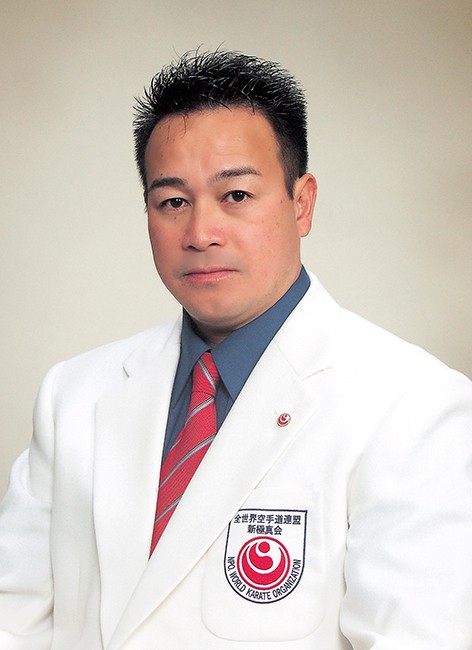
He later became known not only as an athlete, but also as the head of the Shinkyokushinkai organization — one of the largest international Kyokushin bodies in the world.
Achievements
Kenji Midori’s greatest sporting achievement was winning the 5th IKO Kyokushinkaikan World Open in 1991. In the tournament final he defeated Akiyoshi Matsui and became the absolute world champion. (en.wikipedia.org)
This victory is considered one of the most significant in the history of Kyokushin, as Midori managed to win the open-weight world championship while being smaller and less physically powerful than many of his opponents.
Beyond the World Open, Midori competed successfully at the Japan Championships. He regularly placed among the country’s top fighters and was regarded as one of the most consistent athletes of his era.
Midori also participated in international IKO tournaments and was known as a fighter capable of enduring very demanding bouts against large heavyweights.
After retiring from competition, he focused on developing international Kyokushin and became one of the most influential leaders in the world of full-contact karate.
Best Fights
The most celebrated bout in Kenji Midori’s career is the final of the 5th World Open in 1991 against Akiyoshi Matsui. This fight held great significance for the history of Kyokushin, as both athletes were among the leading stars of Japanese karate.
Midori won through speed, tactical intelligence, and superior distance management. His success proved that the open-weight world championship could be won on something other than raw physical power.
His bouts against heavy Japanese fighters at the All Japan Open also drew considerable attention. Despite his relatively lighter weight, Midori regularly defeated much larger opponents.
At international tournaments he also faced the strongest foreign karateka, including competitors from Brazil and Europe. His style was uncomfortable for heavyweights, as he worked well in motion and rarely engaged in direct power exchanges.
Fighting Style
Kenji Midori’s style is considered one of the most technical in the history of Kyokushin. Unlike many heavy fighters who built their bouts on physical pressure, Midori relied on speed, mobility, and smart distance management.
He moved exceptionally well around the mat and was able to control the pace of a fight. Midori rarely let opponents force him into a heavy inside game.
One of the key features of his style was combination work. Rather than relying on single attacks, he constructed full sequences of hand and leg strikes.
Midori also stood out for his high level of endurance. Even in grueling bouts he maintained speed and focus.
Another strong point was psychological resilience. He rarely lost composure and was able to stay calm even against physically more powerful opponents.
Favorite Techniques
Among the techniques Kenji Midori used most often:
mawashi geri;
gedan mawashi geri;
body punch combinations;
fast combination attacks;
medium-range work.
His mawashi geri was characterized by high speed and precision. Unlike many heavyweights, Midori often used kicks not purely as a power tool but as a tactical element.
He also combined hand and foot strikes extremely well, making his attacks difficult for opponents to read.
Mobility was central to his style. He rarely stood still and constantly changed distance, forcing opponents into mistakes.
International Tournament Performances
Midori competed successfully not only at the World Open but also at the All Japan Open — one of the toughest Kyokushin tournaments in the world.
In the Japan of the 1980s and 1990s the level of competition was extraordinarily high. Even reaching the later stages of a tournament was considered a serious achievement.
Midori managed to become one of the leaders of that era thanks to a combination of technique, intelligence, and endurance.
After retiring from sport, he continued to play an active role in the development of international Kyokushin as a leader and organizer.
Impact on Kyokushin
After the death of Masutatsu Oyama, the global Kyokushin community went through a serious split. It was Kenji Midori who became one of the key figures in the new stage of the style’s development.
He became head of the Shinkyokushinkai organization, which over time grew into one of the largest international Kyokushin bodies in the world.
Midori actively developed international tournaments, seminars, and athlete training systems. Thanks to his efforts, Kyokushin maintained its popularity in many countries.
For many fighters, Midori became an example that success in the open-weight category is possible not only through size and strength, but also through technique, intelligence, and discipline.
Interesting Facts
Kenji Midori became IKO world champion in 1991.
He won the open-weight world championship while being smaller in weight and build than many of his opponents.
Later, Midori became head of the Shinkyokushinkai organization.
Many experts consider him one of the most technical fighters in the history of full-contact karate.
Conclusion
Kenji Midori is not simply a world champion — he is one of the central figures of modern Kyokushin. His career shows how important technique, discipline, and the ability to think in a fight truly are.
He has entered history as an outstanding athlete, a strong tactician, and a man who played an enormous role in the development of world Kyokushin after the era of Masutatsu Oyama.
Comments (0)
Leave a comment
Comments are moderated and published after review