
IKO Kyokushinkaikan (International Karate Organization Kyokushinkaikan) is the largest and most authoritative international Kyokushin karate organization. The most prestigious competitions in the world of full-contact karate are held under its banner.
History
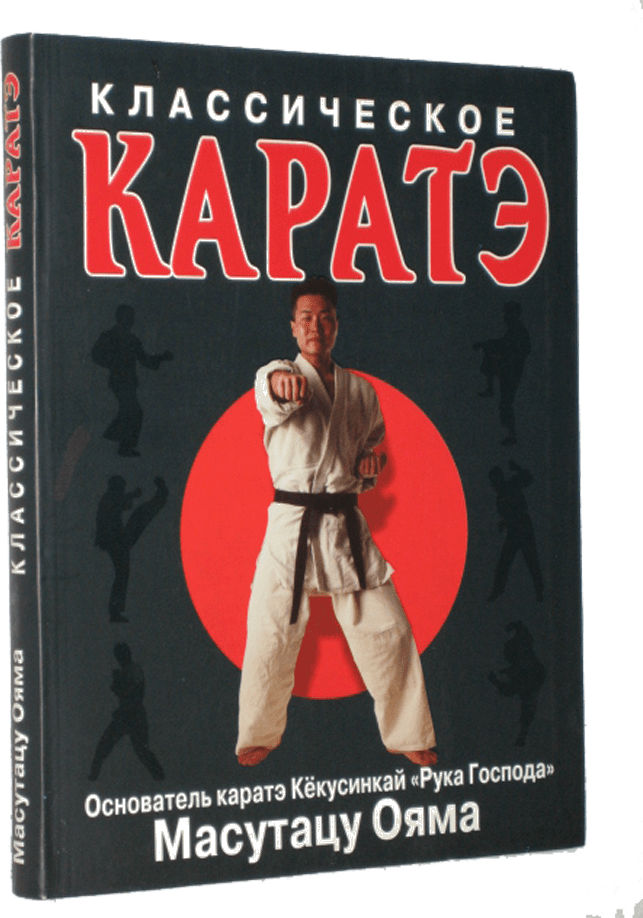
The organization was founded by Masutatsu Oyama in 1964 in Tokyo, when he opened the Honbu Dojo — the main Kyokushin hall in Japan. Over three decades under Oyama’s leadership, IKO grew into a global structure spanning dozens of countries. The founder held the title of «Sosai» (president).
After the death of Masutatsu Oyama in April 1994, the organization entered a period of instability and internal power struggles. In 1995, Kancho (leader) of IKO was elected Akira Matsui (Shokei Matsui), who was already a World Open champion (1987). A number of senior shihans did not support this decision and left to form their own organizations.
Structure and Scale
Today IKO is represented in approximately 130 countries. According to the organization’s own data, several million athletes train under its flag. IKO has an extensive network of official federations and licensed dojos on every continent.
In Russia, IKO’s interests are represented by the Russian National Kyokushin Karate Federation (RNKF), as well as a number of regional organizations. Russian athletes have traditionally ranked among the strongest competitors at IKO tournaments.
Competition Activity
IKO organizes and hosts:
- The World Open Karate Tournament — the main event, held every four years in Tokyo
- The IKO World Weight Category Championships
- The All Japan Open Championship — the premier Japanese tournament
- IKO World Junior and Veterans Championships
- International training camps and seminars
The IKO World Open is considered the pinnacle of Kyokushin — only its winners earn the title of «Absolute World Champion» and become part of the legend of the style.
Rules
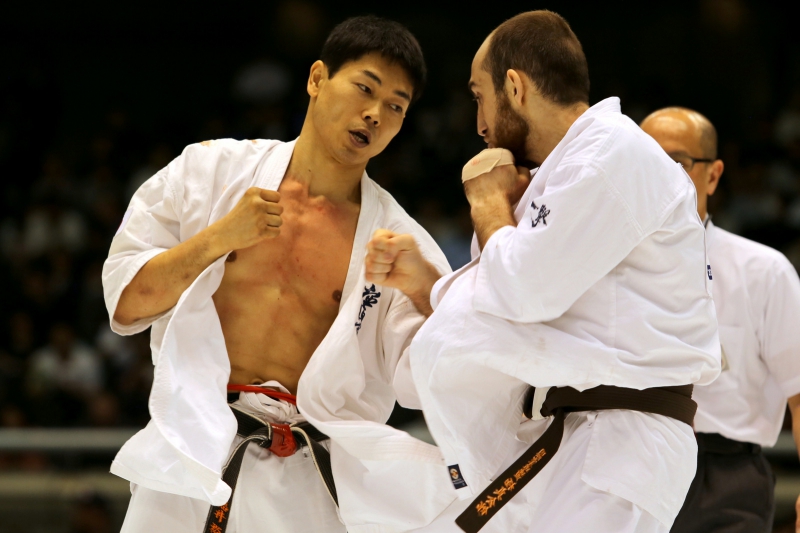
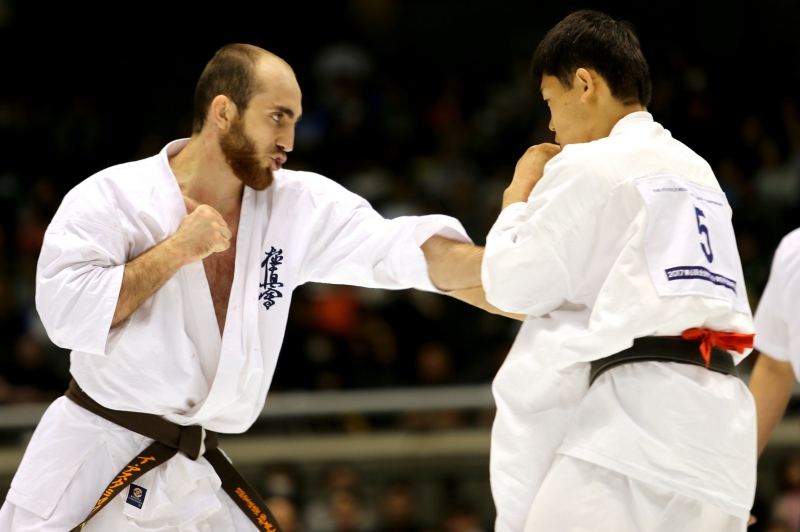
IKO competitions are held under full-contact rules without protective gear — punches are allowed to the body only, kicks are allowed to the head and body. Victory is determined by knockout, ippon, waza-ari, or judges’ decision.
Comments (0)
Leave a comment
Comments are moderated and published after review