
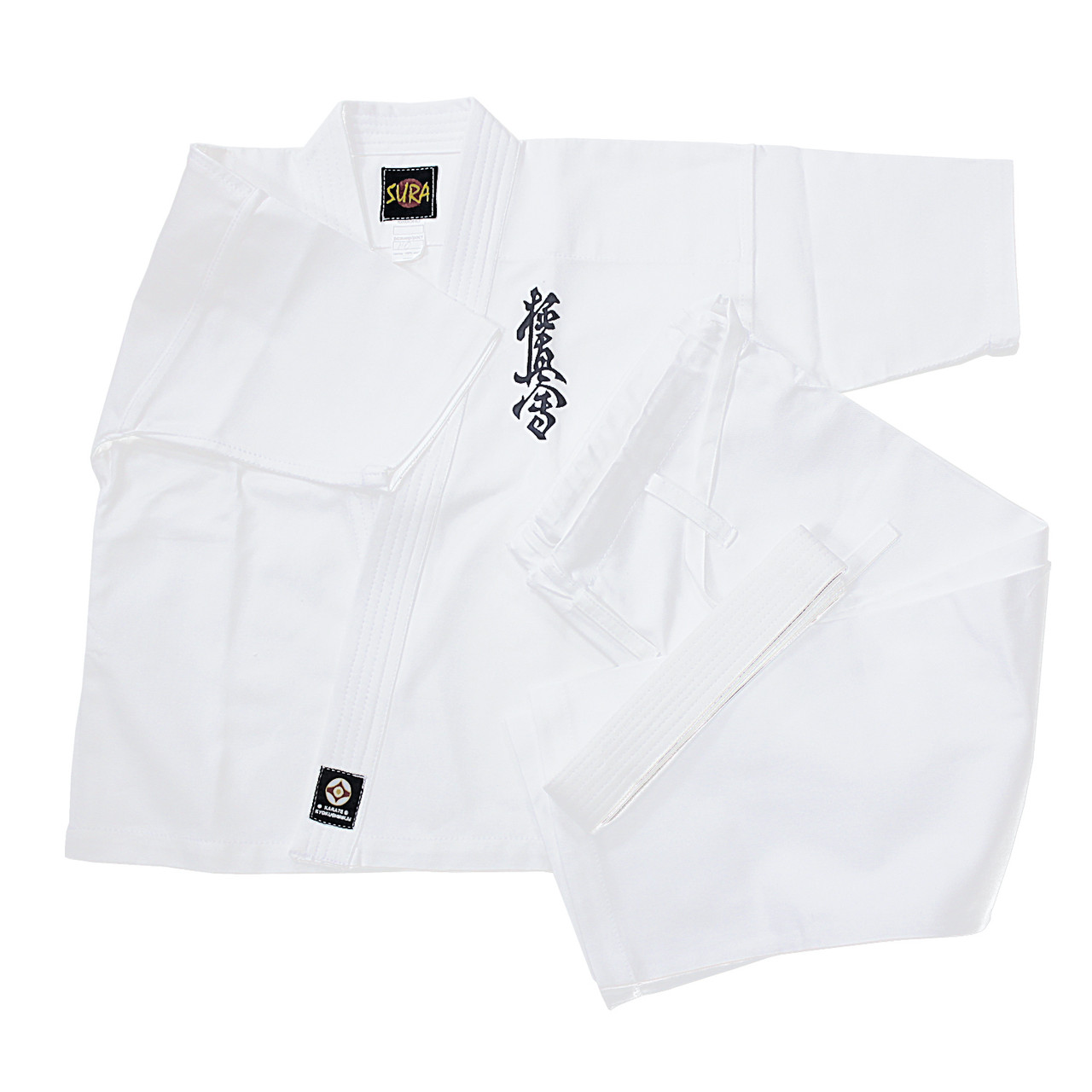
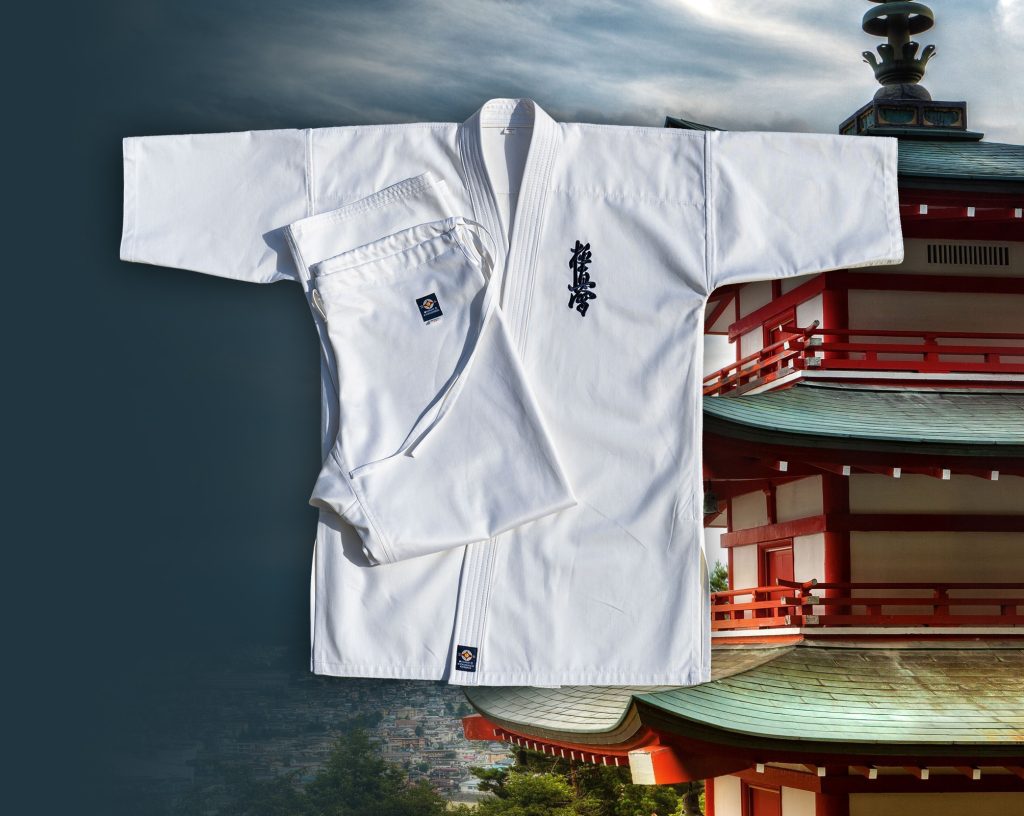
The dogi (gi) is the traditional uniform for karate practice. In the old days, beginners who had not yet reached the required level were not permitted to wear one. Times have changed, and the gi has become the standard uniform for all karate practitioners.
The dogi (gi) is the traditional uniform for karate practice. In the old days, beginners who had not yet reached the required level were not permitted to wear one. Times have changed, and the gi has become the standard uniform for all karate practitioners.
How to Choose a Gi
Since karate training involves long sessions of technique drilling and full contact with opponents, choosing such an important piece of equipment as the gi requires careful thought. Let’s go through everything you need to know about choosing a gi, including the embroidery you are likely to find on it.
Fabric Weight and Color
It is a mistake to assume that all gi are the same. Before choosing, you need to decide what the gi will primarily be used for. It helps to understand fabric weight right from the start, and there are some specific numbers to know. Gi fabric weight is measured in ounces per square meter (one ounce equals 28.35 grams). For example, a 10-ounce gi means one square meter of fabric weighs 10 ounces, or 283.49 grams. It is also worth knowing that white gi are made from two types of fabric — bleached cotton and unbleached cotton (which has a slightly beige tone).
So now you know that gi differ at minimum by fabric weight and color. Let’s decide what you need the gi for:
- Ask the seller about the fabric weight! If you train in karate but compete infrequently or not at all, a lighter fabric gi — for example 10 oz — will suit you well. Gi made from lighter fabric (6-8 oz) can be used for everyday training, though it is worth noting that a lighter gi will cling to the body during training and may cause discomfort when executing technique. If you compete rarely, it also does not matter much whether your gi is made from bleached fabric — choose based on your preference and budget.
- If you compete in kata or kumite, you are better off choosing a gi made from heavier fabric — 12-14 oz. This weight keeps the material intact during bouts and produces the satisfying «snap» sound when performing kata; the sharp cracks that the gi makes on impact are a sign of good technique. As for fabric color: if the gi is for kumite, it does not matter whether it is bleached, but for kata a heavy gi made from bleached fabric is recommended — it makes your appearance more presentable to the judging panel (in kata, appearance is part of the assessment).
Cut and Shrinkage
It is best to choose a gi with a fairly relaxed fit, since a gi that is too tight will cause discomfort during training and chafing on the body. At the same time, don’t go to the opposite extreme and get one that is too loose — it will restrict movement and make it hard to perform technique, and there is a risk of getting tangled up and falling. In general, before buying a gi, try it on and test a few movements — you should feel comfortable.
After trying it on, always ask the seller how much the gi will shrink after the first wash. This is a very important point, as after the first wash a gi can shrink anywhere from 3 to 15 centimeters depending on the fabric and its weight. You will not be pleased when your new gi turns out to be too small after the first wash. Buy a size larger to account for shrinkage.
To prevent the gi jacket from flying open during sharp movements, if a girl is choosing a gi, she should make sure the jacket has ties to keep it closed.
When selecting a gi, it is also important that the sleeves are not so long as to cover the wrists, and that the seams are tight — this makes the garment stronger and longer-lasting. The optimal sleeve length for karate training is considered to be 3/4 of the full length.
Fabric Composition
Fabric composition and texture also play an important role for different martial arts. Gi come in both smooth and woven fabrics, thick and thin, from natural materials and with synthetic blends.
For karate training, it is best to use a gi made from pure cotton without synthetic additives. Such a gi is comfortable for drilling technique in regular training: the body does not overheat and can breathe freely.
Gi with synthetic blends such as polyester are also used. The ratio of cotton to synthetic can vary widely, from 1 to 10 or 10 to 1, and this is worth checking at the time of purchase. An optimal synthetic content is considered to be no more than 10-20%. It should be noted that gi with synthetic blends are less prone to shrinkage. They also dry faster and absorb moisture well.
Embroidery on the Gi
Karate gi often feature various embroidered designs. Here is what they mean.
-
Embroidery on the left side of the jacket with the organization emblem:
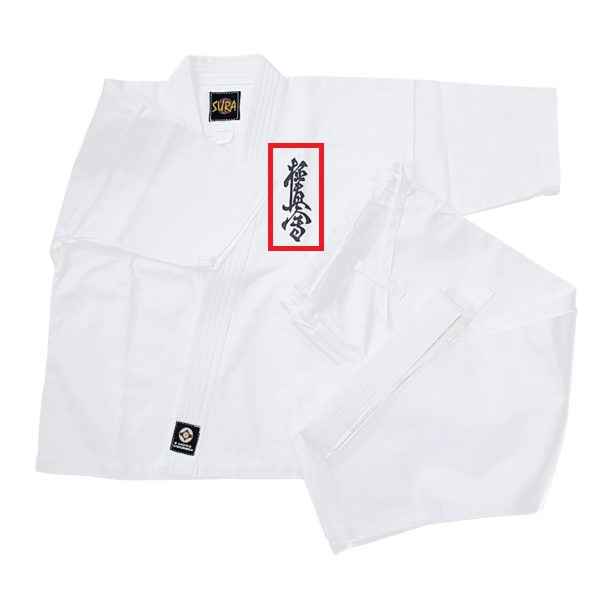
Depending on the organization, the most common emblems are:
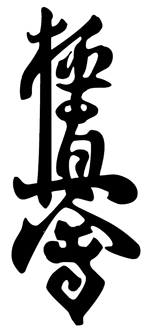 — Kyokushinkaikan (Kyokushin)
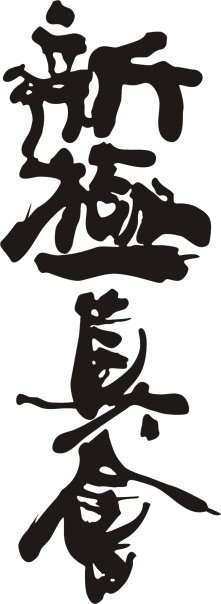 — Shinkyokushinkai (Shinkyokushin)
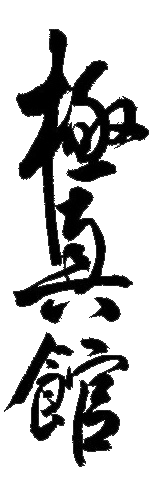 — Kyokushin-kan
-
Patch on the lower hem of the jacket (also used on pants and the belt)
Also depending on the organization, the most common versions are:
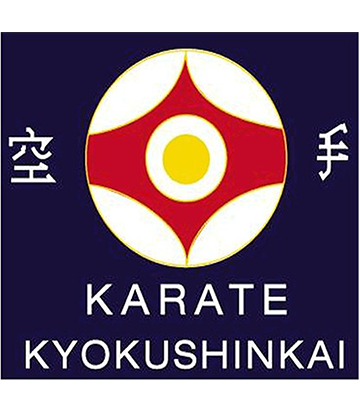 — Kyokushinkaikan (Kyokushin) — old version
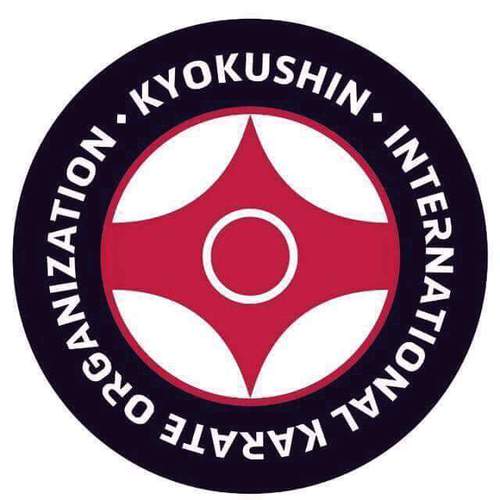 — Kyokushinkaikan (Kyokushin) — new version (from 2017)
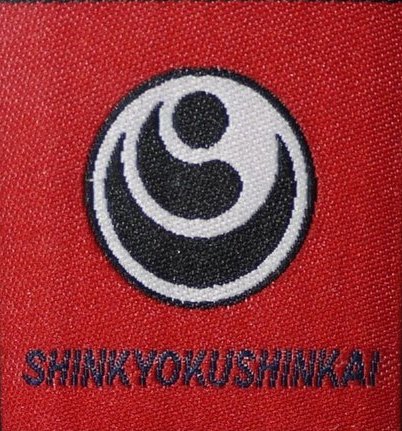 — Shinkyokushinkai (Shinkyokushin)
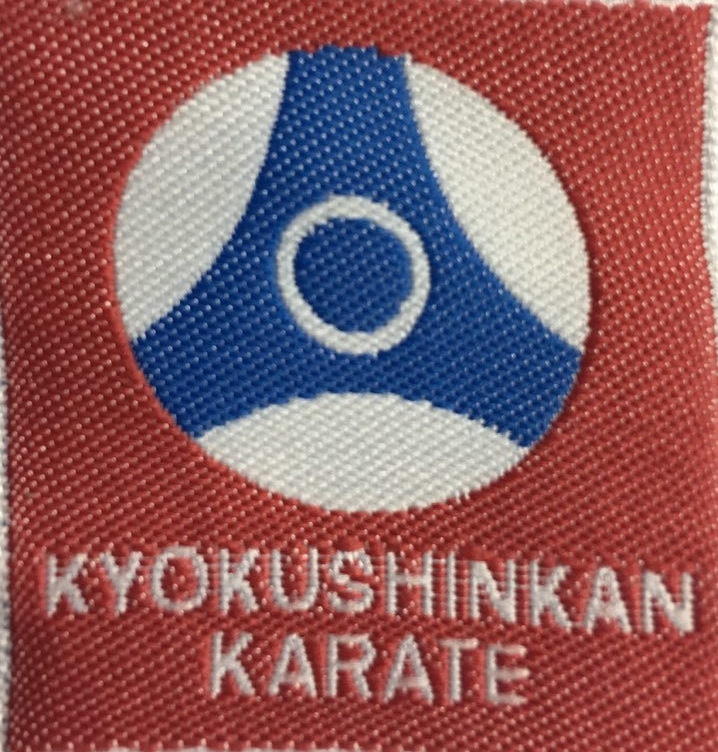 — Kyokushin-kan
-
Embroidery of the athlete’s name in Japanese on the jacket
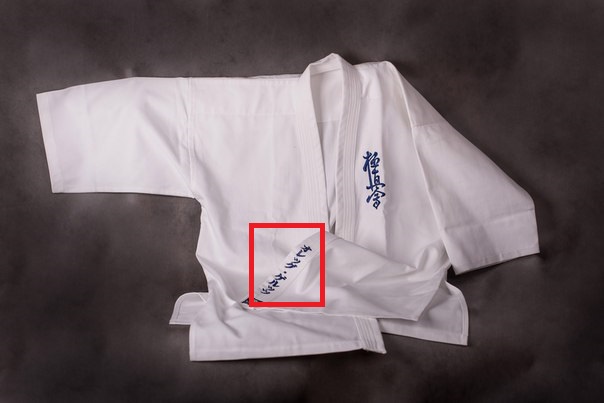
-
Embroidery on the left shoulder
The left shoulder carries a patch with the emblem of the organization the athlete belongs to

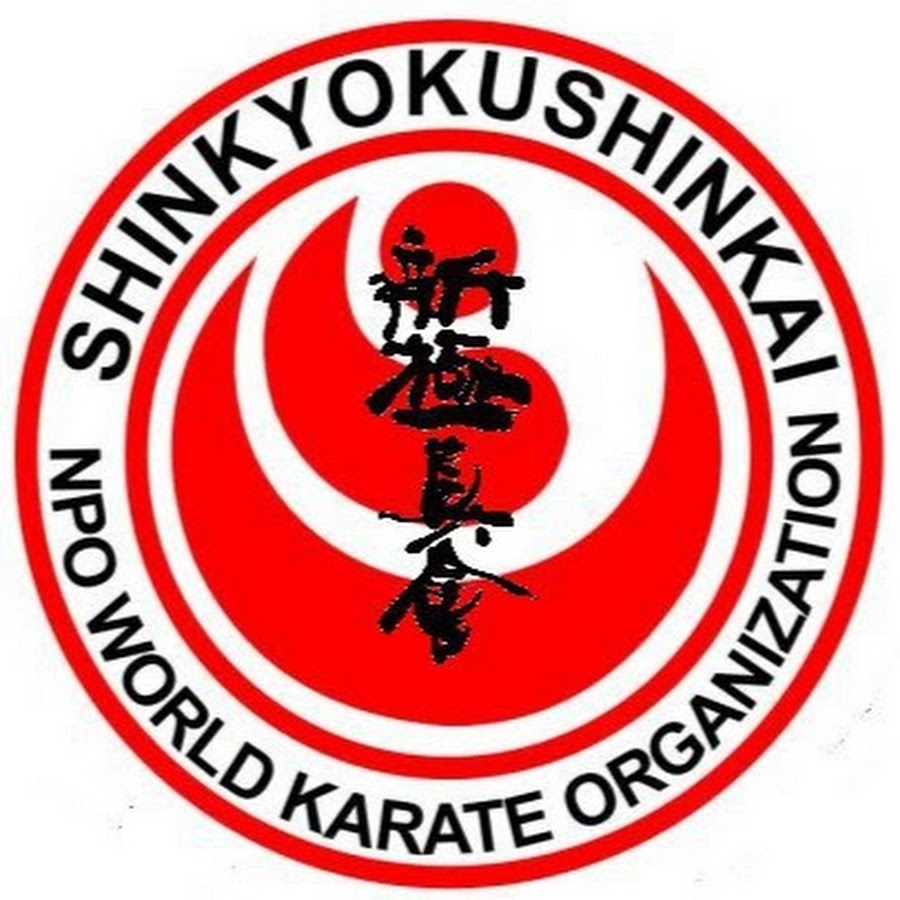
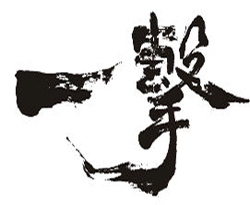
The left shoulder may also carry an «Ichigeki» patch — this is the emblem of the gi manufacturer, meaning «Win with a single strike»
-
Embroidery on the right shoulder
The right shoulder carries the emblem of the school or club the athlete trains at
-
Embroidery on the pants
The right trouser leg may feature embroidery with the organization’s official symbols — for example, this is standard practice in Shinkyokushin
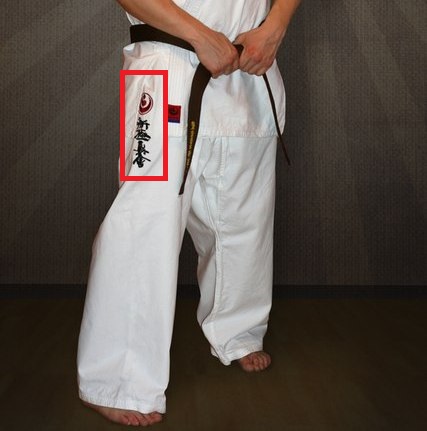
The left trouser leg often carries an «Ichigeki» patch — the emblem of the gi manufacturer, meaning «Win with a single strike»
Comments (0)
Leave a comment
Comments are moderated and published after review